Your reliable source for automated lubrication system equipment, centralized system design, installation and maintenance service.


We work closely with the most trusted suppliers in the industrial lubrication industry to provide our clients the highest level of service and care. You benefit from access to a range of automated lubrication systems, state-of-the-art lube equipment, parts and supplies.

Properly designed and installed, automatic (a.k.a. centralized) lubrication systems impact profitability, by reducing operating costs and increasing reliability. Exceptional equipment combined with our design expertise, help bring cost-effective, lasting reliability to your operations.

Routine precision lubrication maintenance whether weekly, monthly, quarterly or during plant downturn is critical. We offer long-term or periodic service contracts, as well as lube audits, equipment inspections and much more.

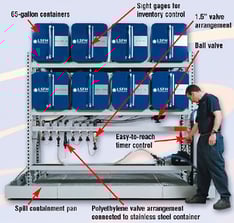
With LubriSource Fluid Handling (LSFH), our comprehensive line of industrial fluid storage and handling systems, companies can efficiently store fluids near work areas, saving time and cutting handling costs by up to 80 percent.
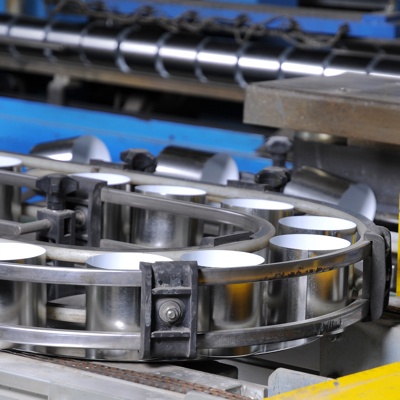
Learn how our solution provided compliance for washdown and safety requirements while meeting production capacity requirements.
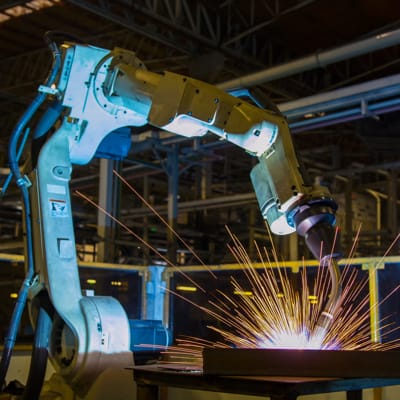
Learn how we developed a spray grease can system to fine-tune spray duration and frequency for bull gears on a welding robot.

When a mining OEM needed explosion-proof products, it relied on us to develop multiple system designs for different products, all in explosion-proof categories.

Through ongoing maintenance and downturn support, LubriSource enabled the client to achieve greater reliability.


Increase life expectancy of chain and conveyors with our products and expertise for your specific industrial application. Our specialized lubrication solutions help minimize downtime, and reduce energy and lubrication consumption.
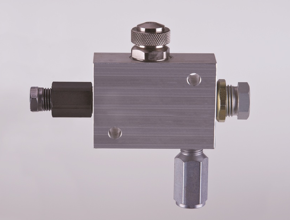

Ideal for machining centers, forming presses or any application requiring tamper proof lubrication. Get the insights you need to ensure your machine is functioning at peak performance with precision.
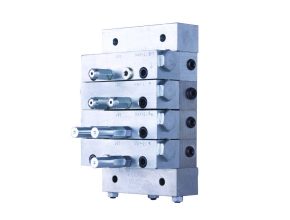

Conserve and reduce oil usage. LSFH product line includes several standard storage and dispensing systems for oils, lubricants and industrial fluids ensuring maintenance teams reduce contamination and preserve space.


LubriSource has a proven track record in industrial lubrication equipment and automated lubrication systems design, installation and repair. Our lubrication engineers also provide individualized maintenance programs for manufacturing and industrial machinery that need to increase uptime and productivity while operating more efficiently and safely.

We'll assist you in gaining insights for increasing production and reducing downtime throughout your facility.

Our precision lubrication programs are delivered by experts who can make your entire operation more efficient.

We manage projects of all sizes and complexities across a broad set of industries, and we can provide the qualified team to support all your lubrication system needs.

We can supply the precision lubrication industry components and lube equipment that are best suited for your specific needs.

Proper lubrication helps protect bearings, gears and other moving components from friction, wear, heat and contamination. The right combination of lubrication practices, properly functioning industrial lubrication equipment, clean fluids and preventive maintenance can help extend equipment life, reduce unplanned downtime and improve overall plant reliability.
An automatic lubrication system may be a good fit when equipment has multiple lubrication points, operates continuously, requires frequent lubrication or has points that are difficult or unsafe to access manually.
A properly designed system delivers measured amounts of lubricant at the required intervals, helping reduce missed lubrication points, over- and under-lubrication and manual maintenance demands.
Yes. Many types of existing industrial equipment can be retrofitted with an automatic or centralized lubrication system.
The equipment, lubrication points, lubricant, operating environment, machine duty cycle and lubrication requirements should be evaluated to determine the appropriate system design. Existing automatic lubrication systems can also be modified or upgraded when equipment changes or the current system is no longer meeting the application’s needs.
The right automatic lubrication system depends on the machine, lubricant, number and location of lubrication points, operating conditions and required lubricant delivery.
Depending on the application, solutions may include single-line, dual-line, series progressive, single-line resistance, air/oil, spray or circulating oil systems.
System selection should be based on the requirements of the application rather than simply choosing a particular product or manufacturer.
Yes. Existing lubrication systems can be inspected, tested, repaired and upgraded—even if the system was installed by another provider.
Common issues can include blocked lines, failed injectors or divider valves, leaking fittings, damaged pumps, incorrect settings, inadequate lubricant delivery and system alarms.
Professional lubrication system maintenance and repair can help identify these problems before they contribute to equipment failure, unplanned downtime or unnecessary component replacement.
Yes. Lubrication system preventive maintenance can be scheduled around the needs of the facility and equipment.
Programs may include system inspections, functional testing, troubleshooting, adjustments, component replacement and documentation. Maintenance can be performed on a recurring weekly, monthly, quarterly or other planned schedule based on the equipment and operating environment.
Yes. Installation can range from replacing individual components to installing complete automatic lubrication systems or fluid storage, transfer and dispensing systems.
Work may include pumps, controls, reservoirs, piping, tubing, filtration, storage equipment, dispensing equipment and related components.
Proper installation, startup and system testing help ensure that equipment performs as intended before it is placed into regular operation.
Yes. Planned shutdowns and plant downturns are often ideal times to inspect, repair, replace or upgrade lubrication and fluid handling systems while production equipment is already offline.
Lubrication system maintenance and downturn services can include preventive maintenance, system troubleshooting, component replacement, lubrication system installation, modifications, startup and other reliability improvements coordinated with the facility’s shutdown schedule.
Industrial lubrication and MRO equipment is available for routine maintenance, replacement, system repair and new installations.
Products include lubrication pumps, injectors and divider valves, controllers, filters, desiccant breathers, fittings, tubing, hose, reservoirs, hose reels, meters, dispensing equipment, fluid transfer equipment and other lubrication components and accessories.
LubriSource also works with a wide range of industrial lubrication equipment manufacturers and brands, providing options for different equipment, applications and plant standards.
Technical assistance can help identify the correct product for the equipment and application.
Yes. When a lubrication component becomes obsolete, unavailable or difficult to identify, the existing equipment and application can be evaluated to determine an appropriate replacement or alternative.
This can be especially helpful when replacing pumps, injectors, divider valves, controllers, filters and other components in older lubrication systems where an exact replacement may no longer be available.
Explore available industrial lubrication equipment, parts and supplies, or contact a lubrication specialist for help identifying a replacement.
Better lubricant storage starts with keeping oils and lubricants clean, dry, properly identified and protected from contamination.
Improvements may include dedicated storage containers, filtration, desiccant breathers, closed transfer equipment, clearly identified fluids and organized dispensing practices.
A properly designed lubricant storage and fluid handling system can help reduce contamination risk while improving housekeeping, safety, inventory management and maintenance efficiency.
The best fluid handling system depends on the type of fluid, required volume, storage location, distance to the point of use and how the fluid will be dispensed.
Fluid storage, transfer and dispensing solutions can range from individual storage and transfer equipment to complete fluid management systems using tanks, pumps, filtration, piping, hose reels, meters and dispensing controls.
A properly designed system can make fluid storage, transfer and dispensing cleaner, safer and more efficient while helping protect fluids from contamination.
Yes. An existing lube room or fluid handling process can be evaluated for opportunities involving lubricant storage, contamination control, filtration, labeling, transfer practices, dispensing equipment, inventory management, housekeeping and workflow.
Recommendations can then be prioritized based on reliability, safety, efficiency and the operating goals of the facility.
Learn more about fluid storage, transfer and dispensing systems, or contact a LubriSource lubrication specialist to discuss your current setup.
You do not need to diagnose the entire problem before asking for help.
Start with what you are experiencing—such as repeated bearing failures, excessive lubricant use, contamination, leaking systems, difficult manual lubrication, equipment alarms, obsolete components or an inefficient lube room.
A lubrication specialist can help evaluate the application and determine whether the appropriate next step is maintenance or repair, new MRO or lubrication equipment, an automatic lubrication system, or improvements to fluid storage, transfer and dispensing.
Tell us what you’re trying to fix, improve, replace or automate.
You don’t need to know the exact product or solution you need. Start with the problem you’re trying to solve, and a LubriSource lubrication specialist can help identify the right next step for your equipment and operation.